It’s not a problem until it is: What Finland taught me about teaching
When I chose to join a teacher training program in Finland, it wasn’t because of the hype. It was because I wanted to understand. Finland is often praised for its education system, but praise doesn’t teach; experience does. I wanted to step into actual classrooms, observe real teachers at work, and ask real questions. I wanted to understand what makes a system feel different, not just on paper, but in the rhythms of everyday life.
The year before, I had joined a similar program in the Netherlands, where we explored urban teaching and school environments in Utrecht. That week taught me a lot, and not just about pedagogy. It also taught me how, as a teacher, to work in a team, rely on my colleagues, and stay open to feedback. It made me realize how much you can grow by stepping outside your own school context. So when the chance came to join the next edition in Helsinki, I said yes immediately, even though this time, I had to fund it myself.
The theme in Helsinki was “Teaching in a Digital World.” As someone who teaches teenagers every day, it felt close to home. I’ve often wondered: how do we help students develop critical thinking in an age of distraction, without turning digital tools into the enemy?
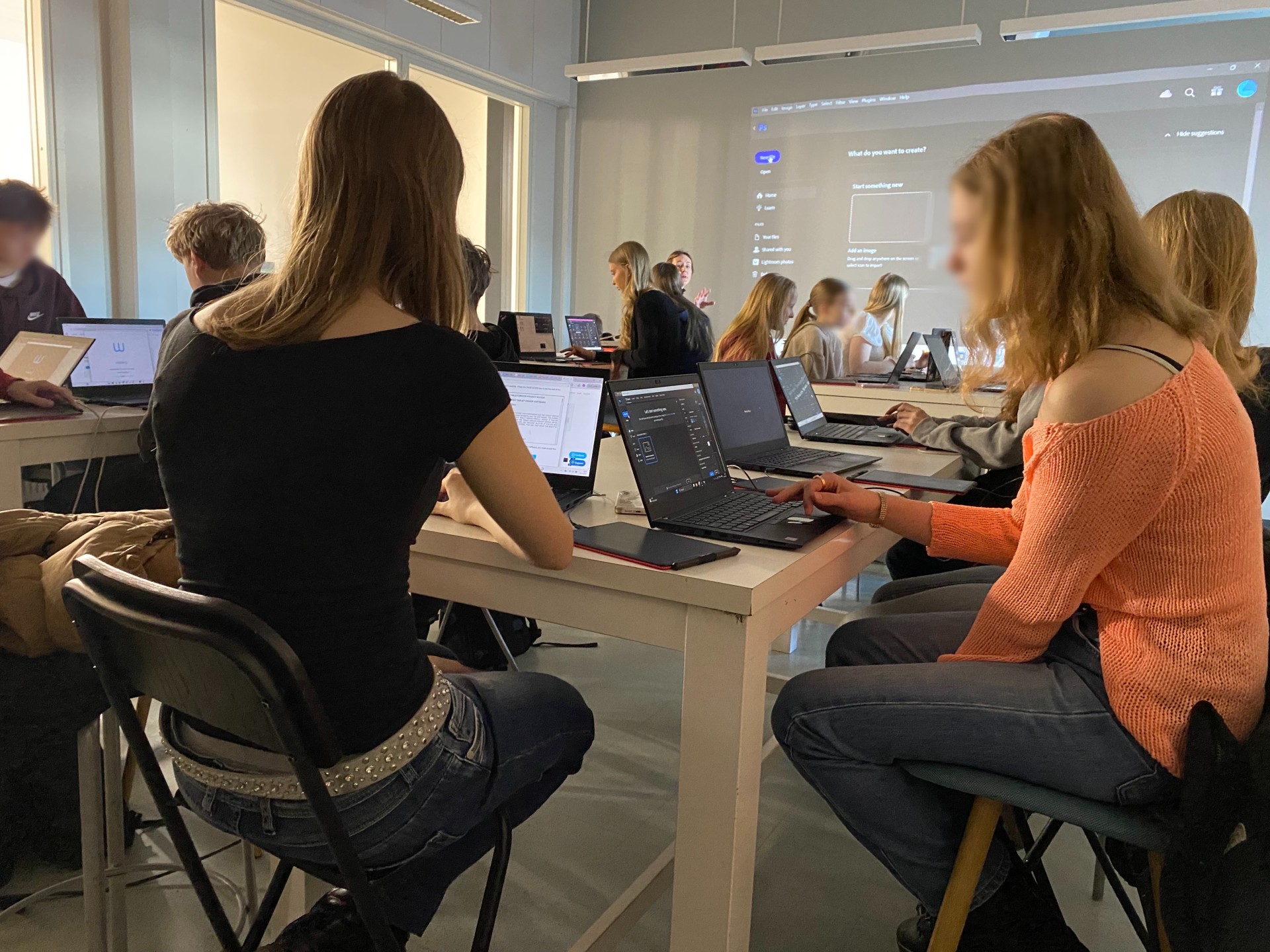
What I saw in Finland challenged many of my assumptions. In one visual art class, the teacher didn’t ask students to put their phones away or take off their headphones. She simply trusted them to use their tools wisely, and they did. Her authority wasn’t loud, but it was solid. It was built on mutual respect, not strict control. She told me: “It’s not a problem until it becomes a problem.” That sentence stayed with me. It captured an entire philosophy, one rooted in trust, autonomy, and responsibility.
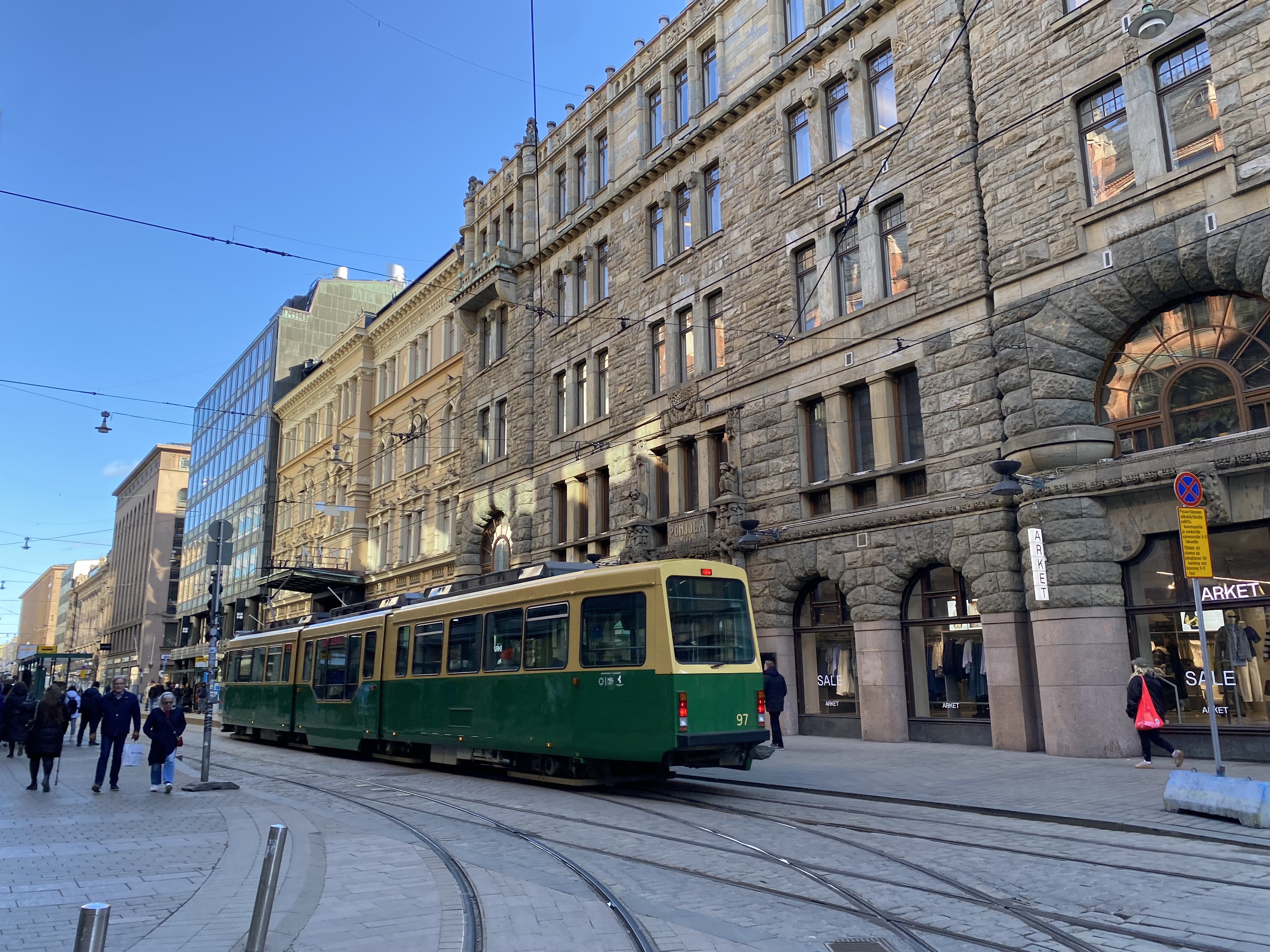
That mindset wasn’t just visible in schools. It was everywhere. Buses ran on time. Public spaces were clean. When a lecturer couldn’t make it, someone else stepped in seamlessly. The whole system seemed to run on quiet reliability, as if trust and efficiency weren’t ideals, but the baseline.
Still, the program wasn’t perfect. Some of us were called last to share our reflections. In group work, a few participants mentioned feeling left out. In one case, a group had several students from the same country who kept speaking their own language, rather than English, the common language we had all agreed on, since we came from different parts of Europe. There were around 70 participants in total, divided into smaller groups of five to six, each with a coach, a professor from a European or South African university, and each group worked on its own hypothetical question. While the structure encouraged focus and collaboration, it also revealed how easily small group dynamics can become exclusionary, even without intent. Hearing this feedback helped me reflect on similar patterns in my own classroom, and how quickly inclusion can slip into assumption.
I could relate. Not just because of this program, but because I’ve lived far from my old home country long enough to understand how exclusion works. Not always through malice, often just through habit, through what’s unspoken. Still, it reminded me how easy it is to “other” someone, and how easy it is not to notice it’s happening, unless you’ve been there yourself.
Every teacher should go through that at least once: being part of something voluntarily, as an adult, and still feeling left out. It’s easy to say that grown-ups should know better, or to just brush it off. And yes, I’ve developed filters, ways to learn from hard moments. But that doesn’t mean it doesn’t sting. Even at 40, it hurts to feel outside of something you chose to join.
And if that’s true for me, with all my experience and tools, then what about my students? Especially the ones who didn’t choose to leave their comfort zones, but were pushed. Students who were dropped into systems they don’t yet understand. If I can feel it this deeply, how much heavier must it feel for them?
This realization wasn’t dramatic, it was just honest. And it helped me see some of my students differently. The ones who stay on the edge. The ones who are trying, but in a language that isn’t theirs. I don’t always know how to help. But I try to make space. To notice. To offer trust before discipline.
Sometimes, that’s the most important thing a teacher can do.
Since Helsinki, I’ve started changing my own practice. Clearer slides. Simpler language. Stronger structure, but not rigid. One teacher I observed introduced computational thinking in a way that made logic visible without overwhelming students, and that approach stayed with me. I’ve begun exploring it myself, not to “tech-ify” everything, but to give students tools to think more clearly. I’m still unpacking what I learned from that moment, and I plan to reflect more deeply on it in a separate piece. But even now, it’s shifting how I teach. I’ve started treating my students more like colleagues in training, not problems to manage. It’s slow, sometimes frustrating. But it feels right.

As teachers, we talk a lot about inclusion. But this program reminded me that inclusion isn’t a policy, it’s a practice. It’s something you do again and again, in small ways.
I want to stay mindful of that. Not just as a participant in international programs, but as a teacher. When I stand in front of my class, I try to notice the students who are still figuring out how to belong. And I try to show them, through structure, clarity, and trust, that they do.
Travel didn’t give me all the answers. But it gave me perspective. And sometimes, that’s exactly what we need to keep growing, not just as teachers, but as people.