From Drempels to Doors: On Belonging and Inclusion
What inclusion demands of systems, structures and relationships.
Cervantes’s great trick wasn’t inventing a character; it was forcing two incompatible people to talk for hundreds of pages. Don Quixote, the idealist, and Sancho Panza, the pragmatist, share a road but not a reality. Side by side is geography. Their quest is design. I went to Alcalá de Henares, Cervantes’s birthplace, for a week of ‘exchange’ and found mostly geography. And that, perhaps, was the learning I needed.
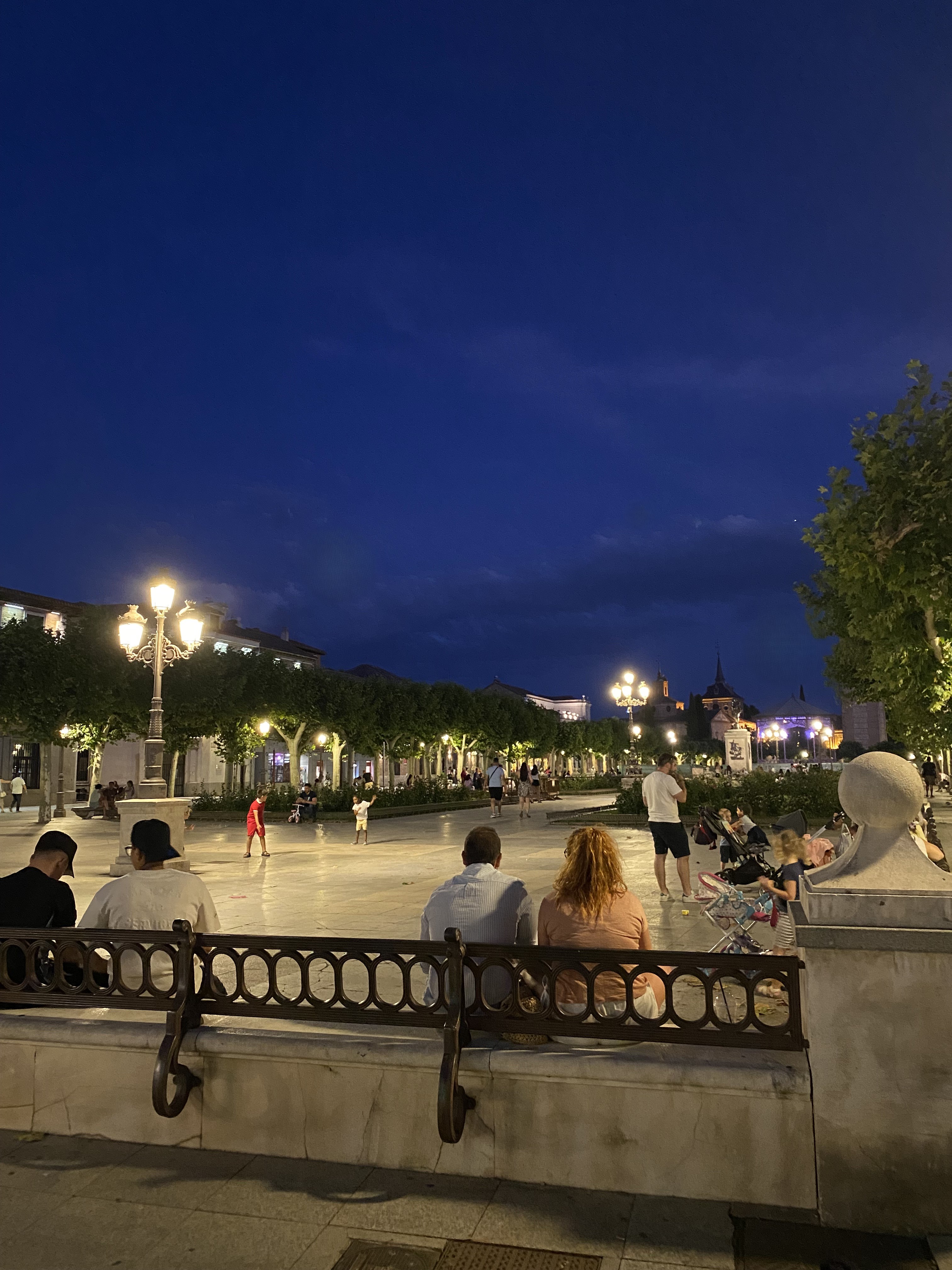
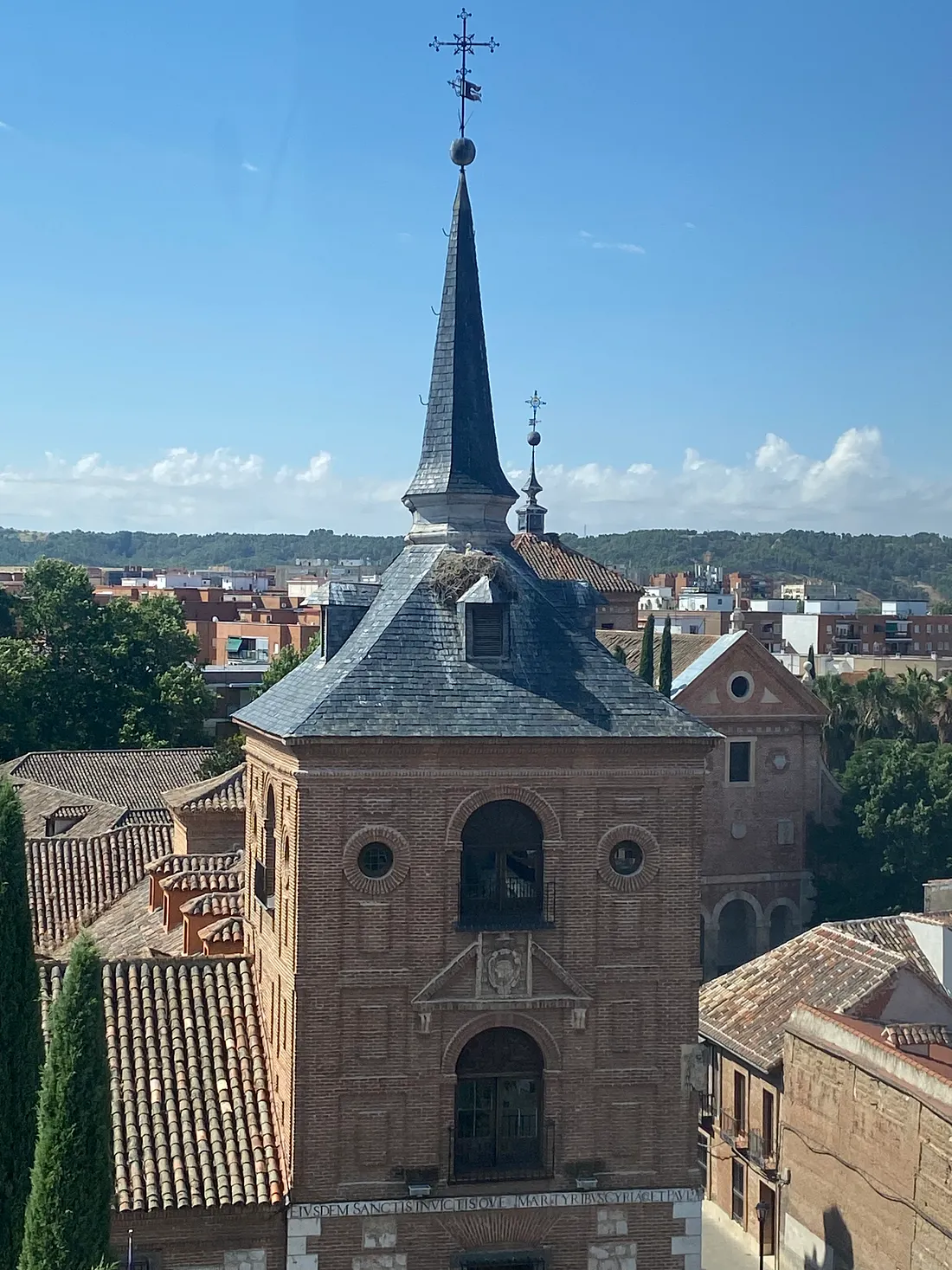
I went to Alcalá de Henares for summer school assuming “European exchange” would happen almost on contact. The city seemed to promise it: storks clattering on buildings, university courtyards, and Cervantes haunting the whole place. If any place could bridge cultural gaps, surely this was it.
Instead, something quieter happened. We shared rooms, sessions, and sidewalks, but not quite a conversation. Not because we were unfriendly, but because we stayed in comfortable orbits: familiar languages, familiar jokes, familiar tables at lunch. Together, but not with each other.
One group traveled as a unit, orbiting their head teacher. This head teacher drifted in and out, sometimes redirecting us to shops instead of sites, sometimes vanishing after only a few minutes of class. It reminded me how easy it is to share space without sharing focus. Another group came prepared with matching shirts and thoughtful gifts, a visible effort to embody exchange. It was moving, and yet it underscored the problem. Symbols of dialogue are not dialogue. Effort alone can’t replace design.
A brief encounter at a train station carried more warmth than hours in the seminar. One teacher casually advised me to skip a museum they had found disappointing. It was nothing, and it was everything: exchange in miniature. Another participant, from Turin, slipped away from her compatriots. We shared dinner, a trip to Toledo. Our small conversations felt like contraband: proof that exchange was possible, if fragile.
The sessions themselves filled mornings but not minds. On the final day, presentations turned into polite monologues: a country’s history, a school video, a project description. When my turn came, I tried something else. I named a real problem from my school and asked, What would you do in my place? That broke the surface. Even the quiet ones spoke. It wasn’t perfect, but it was conversation at last.
“Sometimes being physically close isn’t enough to bridge pedagogical, linguistic, or even social distance.”
Proximity is easy to photograph. Exchange is harder to design. We had the first. The second needed scaffolding: small, repeatable structures that make people interdependent and curious beyond politeness.
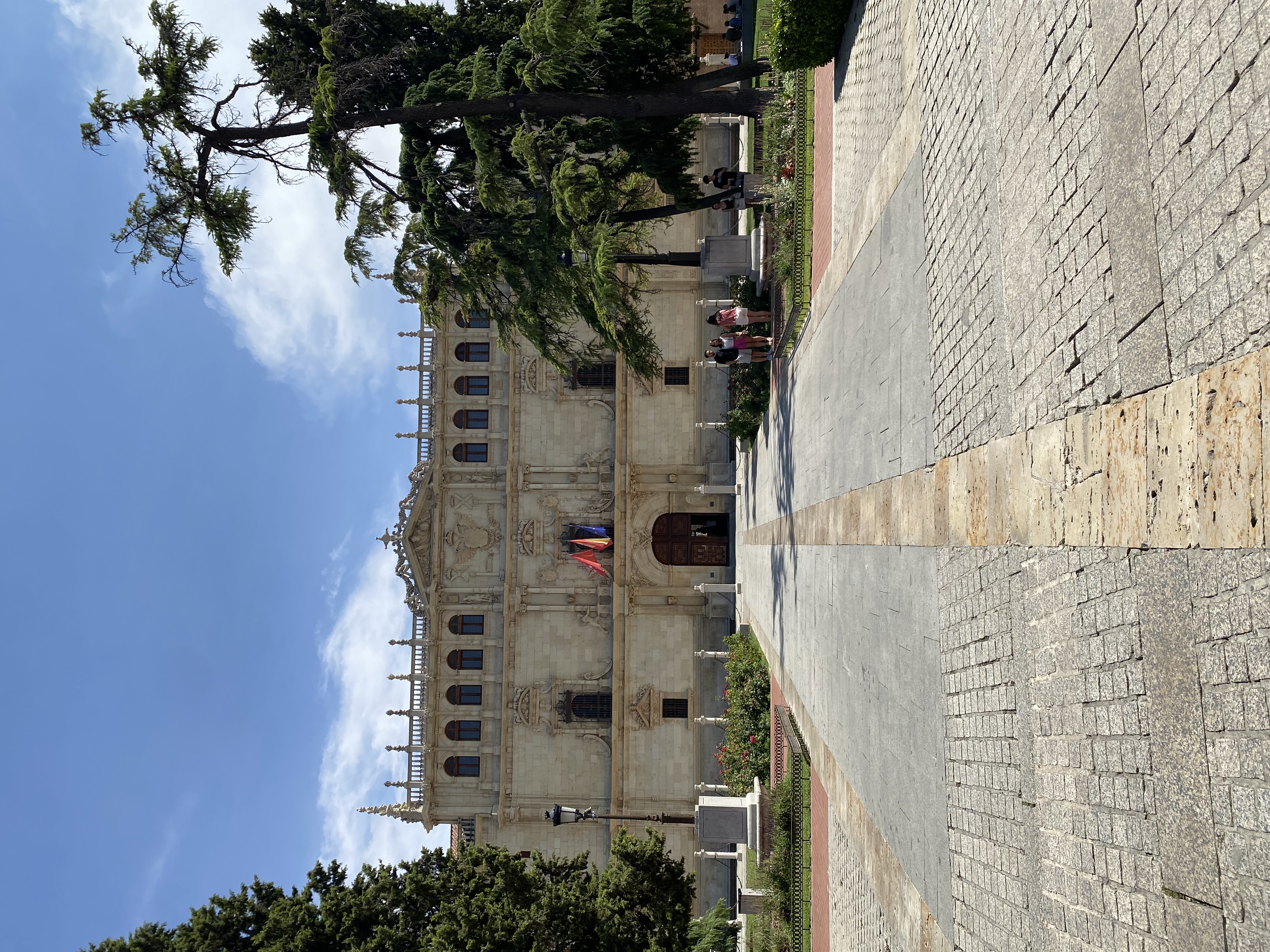
Alcalá’s university carries a “magistral” identity, one of only a handful historically tied to cathedral authority. Leuven, my own academic home, shares that heritage. Institutions, I thought, can recognize each other across centuries. People often need a nudge.
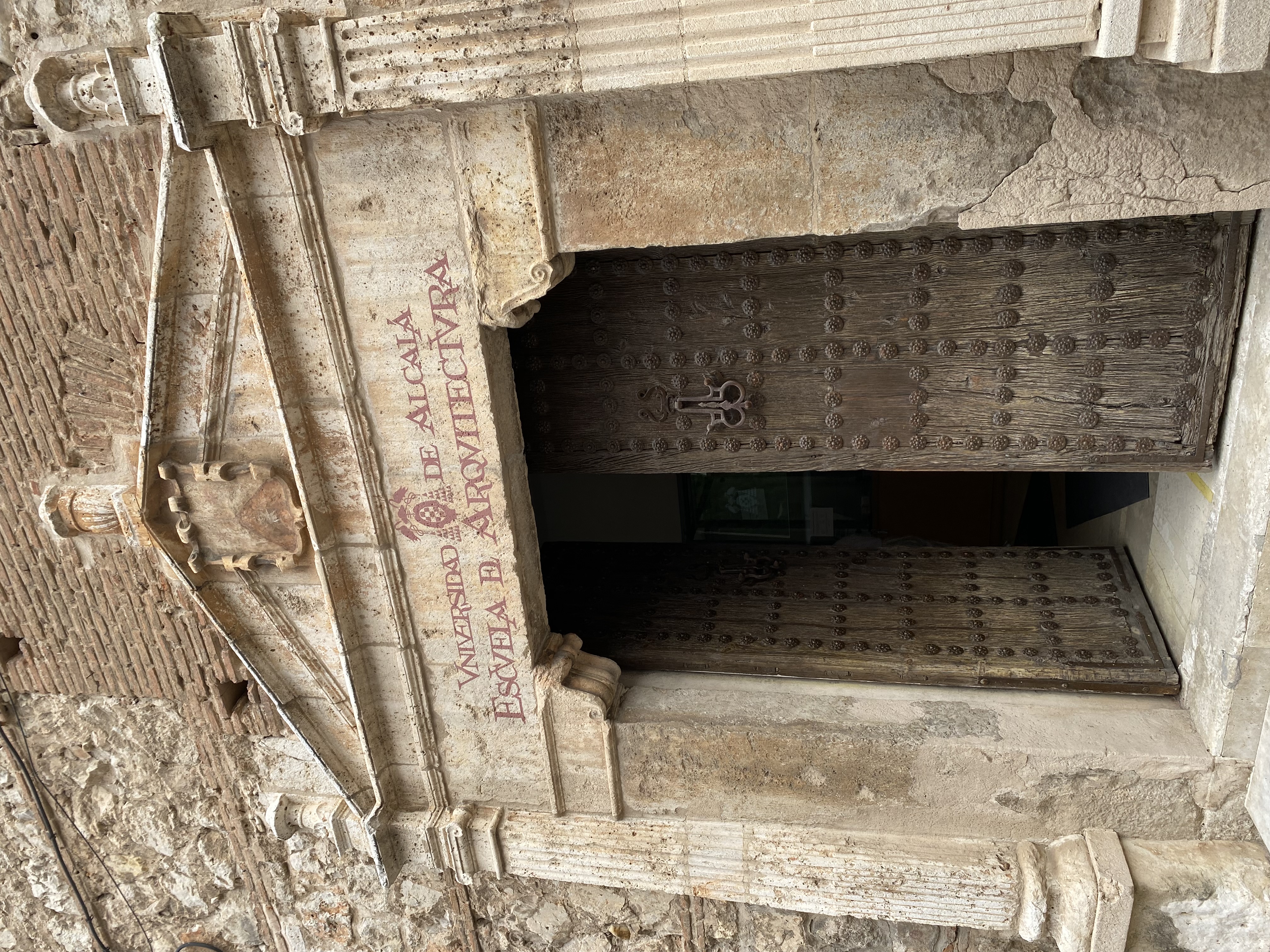
The city’s history kept echoing at the edges of my notebook. Once upon a time, a multifaith population animated these streets; what remains today is a beautiful shell and fragments of memory. Diversity by itself didn’t make Alcalá significant; structures and shared projects did. When those structures thinned, the conversation faded.
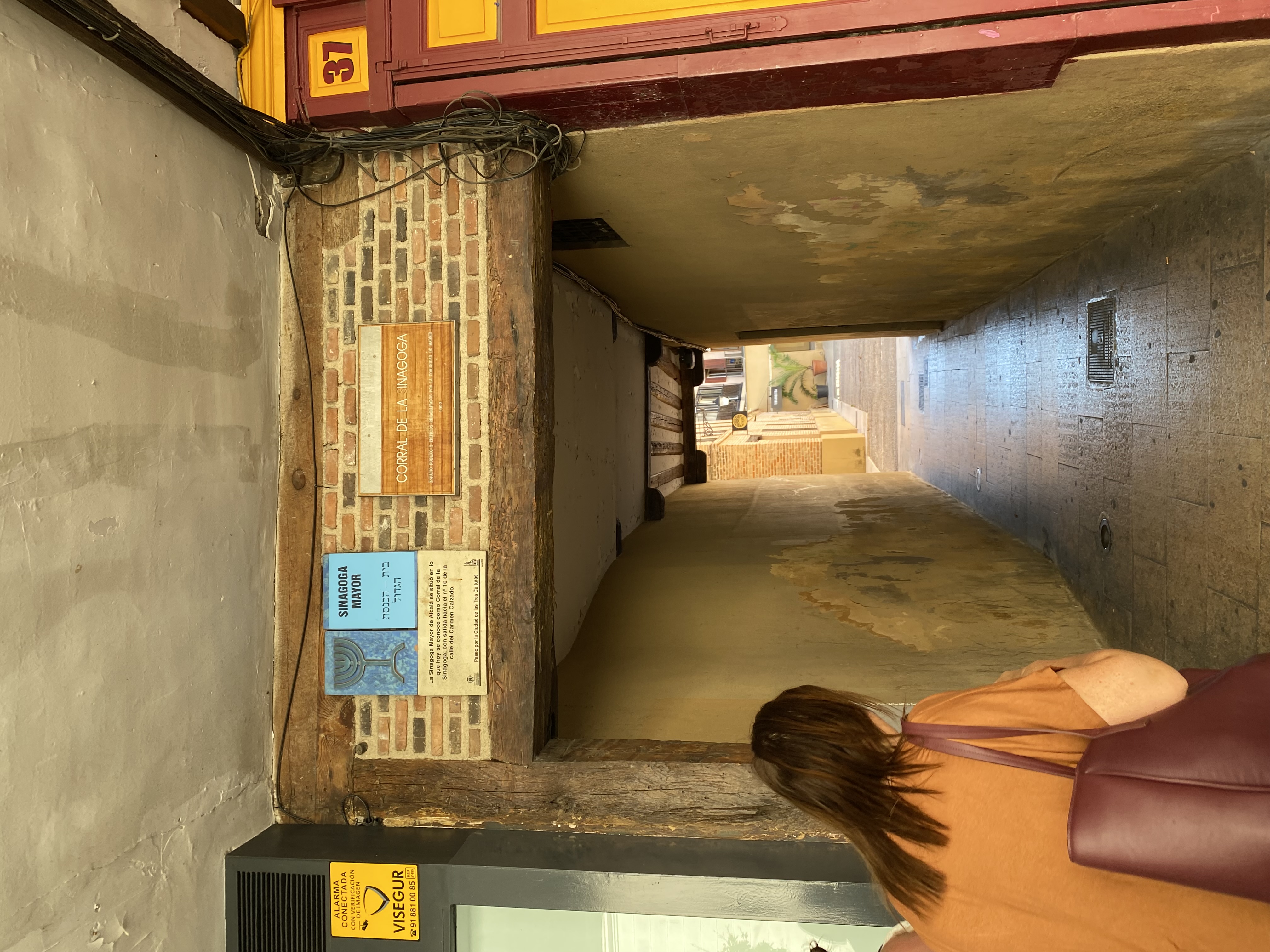
It’s a useful lens for learning design: diversity is raw material, not a finished product. Without design, groups default to comfort. We form gentle islands. We perform our cultures once and then drift back to those who “get” us without translation.
I didn’t have many long conversations that week. Oddly, that helped. The quiet forced me to ask better questions about my own practice.
How do “inclusive” spaces still miss people? How can silence be part of a learning journey, not the silencing of people, but a real pause where questions form?
I came home with fewer takeaways and more design prompts. That feels honest.
I’m not listing what was “missing.” I’m imagining light, doable moves that could have converted proximity into exchange. Imagine if each day began with ten minutes in language-mixed pairs, answering a question you can’t Google, like tell me a time your students surprised you. Imagine if we had opened sessions with one-minute teacher stories from the field, followed by a single line of reflection. Imagine if tables closed the day with a gentle circle: what we noticed, what we learned, one small action for tomorrow. These rituals would not guarantee depth, but they would have made it possible.
I teach in Belgium. My students bring a lot of the world into one room. I can’t control politics or history, but I can control the tiny levers that make curiosity normal. So this year I’ll be weaving in small structures: rotating pairs at the start of class with non-Googleable prompts, projects that require handoffs so talking to someone else is necessary, and simple seat rotations that nudge new encounters. These aren’t radical changes. They are reminders that being side by side is geography. Togetherness has to be designed.
I don’t want to be unfair to Alcalá. The town is lovely, lived-in, and very much alive. The courtyards hold their calm. The cafés fill. The university breathes again. But the comparison to Leuven reminded me that prestige doesn’t float down from history; it’s rebuilt by structures that force collaboration into the everyday.
Our course could have been that, in miniature. Instead, it became an accurate diagram of how groups behave without a design for exchange: flags on the brochure, parallel lines in the room. I include myself in the critique. I could have proposed a rotating pair system on day two. I didn’t. Comfort is persuasive.
“Sometimes, the best way to design learning is to experience what happens when it’s only half-designed.”
You can also read the article here:
👉 Side by Side Is Geography; Together Is Design
What inclusion demands of systems, structures and relationships.
Posture, language, and belonging from Görlitz to Brussels
From storks to sessions: why side-by-side fails without design
How to curate, improvise, and land your lessons like a multi-course dining experience
How kindness and clear communication in public service help citizens feel heard and respected
Teaching, Translating, Connecting: A Journey Through European Classrooms and Science Communication
It’s not a problem until it is
Exploring the fraught nature of teaching those who have a choice to not learn.