From Drempels to Doors: On Belonging and Inclusion
What inclusion demands of systems, structures and relationships.
Too often, we treat teaching and learning as worlds apart from everything else. The challenges seem unique, and that’s true in many ways. Still, there’s so much to learn from other domains. In this post, I draw a parallel between teaching and fine dining.
A well-delivered lecture can be like a Michelin star meal. It engages the senses, moves the learner along with momentum, and most important of all, feels satisfying. So, how do we do this?
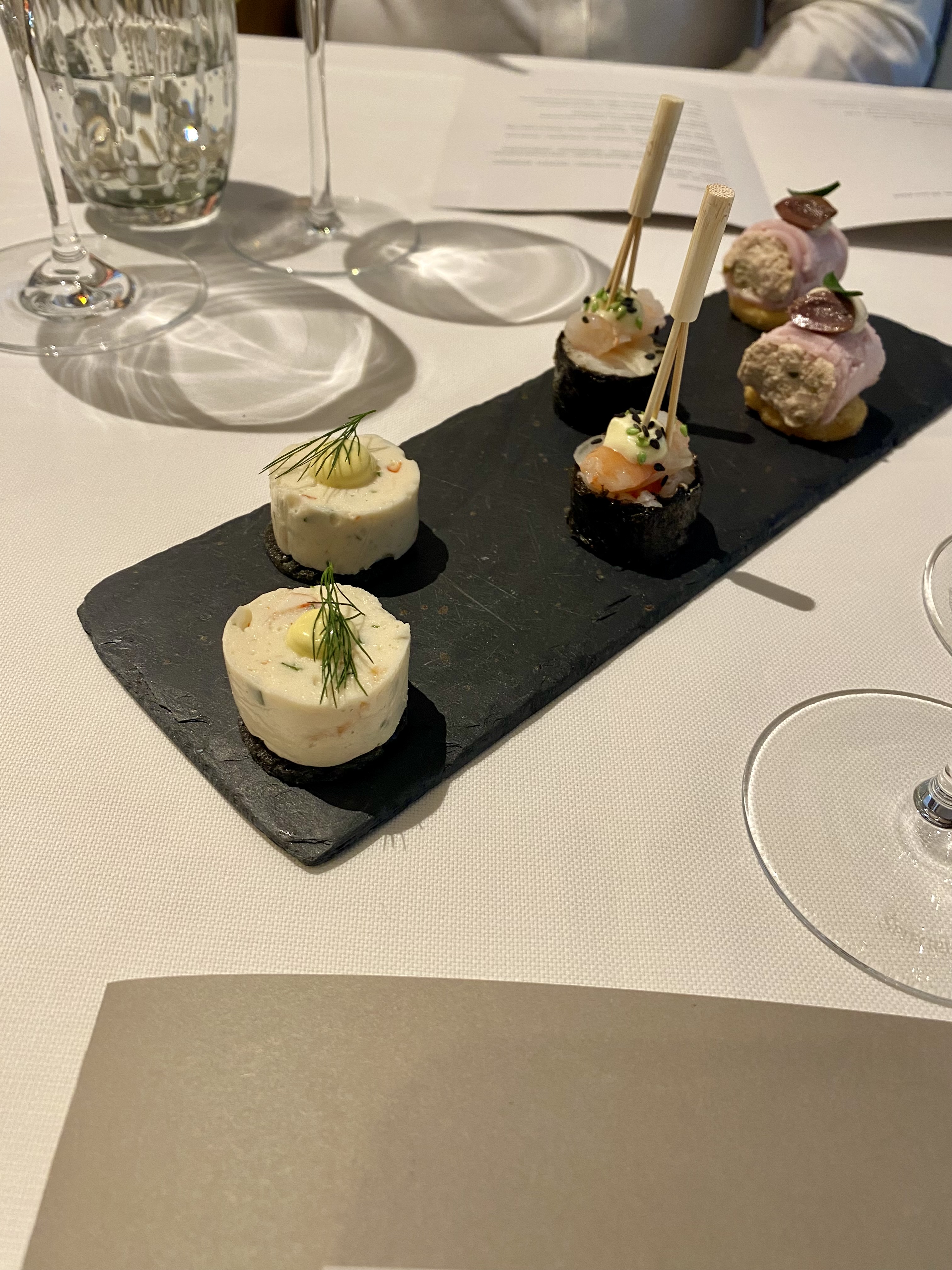
We sat in a hushed dining room in a lovely little restaurant next to the woods on a warm summer evening, watching the chef present a slate of six tiny bites, each a masterful tease of flavor. That amuse-bouche awakened my senses and sparked anticipation for the meal ahead.
Just like that first bite, a teacher’s opening moments should clear the mental palate and prepare students for learning.
A Michelin star chef carefully curates each course’s rhythm, flavor, and presentation. Teachers can design lesson plans in a similar way, building a sequence of activities that start light, refresh attention, and end with a satisfying close.
Pro Tip: Always plan a clear narrative flow, but be ready to improvise depending on your students’ reactions. For example, one day I had planned a lesson about telling time. I started with, “Look at the clock I’m projecting. Can you tell me what time it is?” Then I realized that one student, who has poor eyesight, couldn’t participate. I didn’t want to lose the class’s focus, so I adapted. I remembered she often used her phone to read messages. I said, “Ask Siri what time it is.” Siri answered with the digital time. I replied, “Great! Now, can you shift the digital to analog and tell us what time it is?” The whole class got engaged, and the lesson was retained much better.
High-energy crowds, like a class of 20 teenage boys, need a different approach. Instead of a dense grammar lesson, I run a gamified Blooket session. With Blooket, you can choose the subject, either vocabulary or grammar, set up a quiz, and host a live game. Students join with a game code, then compete to answer questions and collect points. The competition keeps everyone engaged.
After lunch, when students are drowsy, I offer a quick palate cleanser such as a movement break or a rapid-fire vocabulary challenge using Kahoot. For smaller groups, I shift to debates or group work and let students steer the direction.
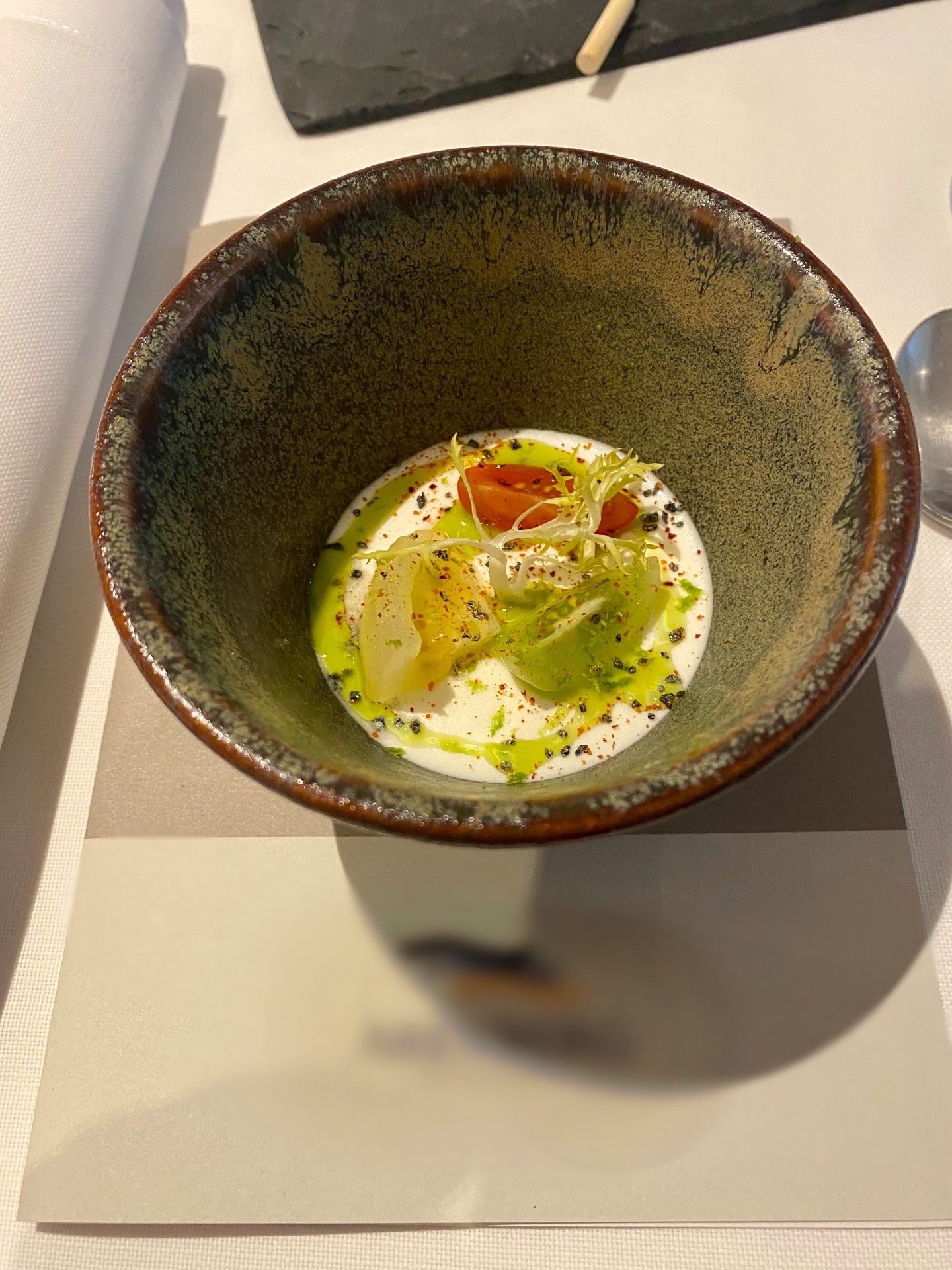
Halfway through a fine meal, chefs serve sorbet to reset your taste buds. In class, we also need low-stakes activities that refresh attention and prepare students for what comes next.
Start with basics and definitions to introduce core concepts. Then bring in richer examples using videos, infographics, or case studies. End with a hands-on activity so students can experiment through debate or project work.
In a multi-course meal, chefs alternate between courses that excite and courses that calm. The same strategy works in the classroom. For example, one afternoon after lunch, I had to teach my English class of 18 students in a small classroom by the playground. It was a rare sunny day in Belgium, and everyone was sleepy and unfocused. I had planned for a reading day, but I could sense it wouldn’t work.
I gave them ten minutes of silent reading to immerse themselves in their stories, which helped them settle. Then I announced we would head outside for a “speed dating” storytelling session. Each student had a few minutes to tell their story to a partner, listen to their partner’s summary, and then switch. The energy shifted right away. Students were moving, laughing, and still practicing narrative and listening skills. The fresh air and the change of pace kept everyone alert and involved. That shift from quiet reflection to high-energy interaction helped balance the group and turned a sleepy session into a dynamic experience.
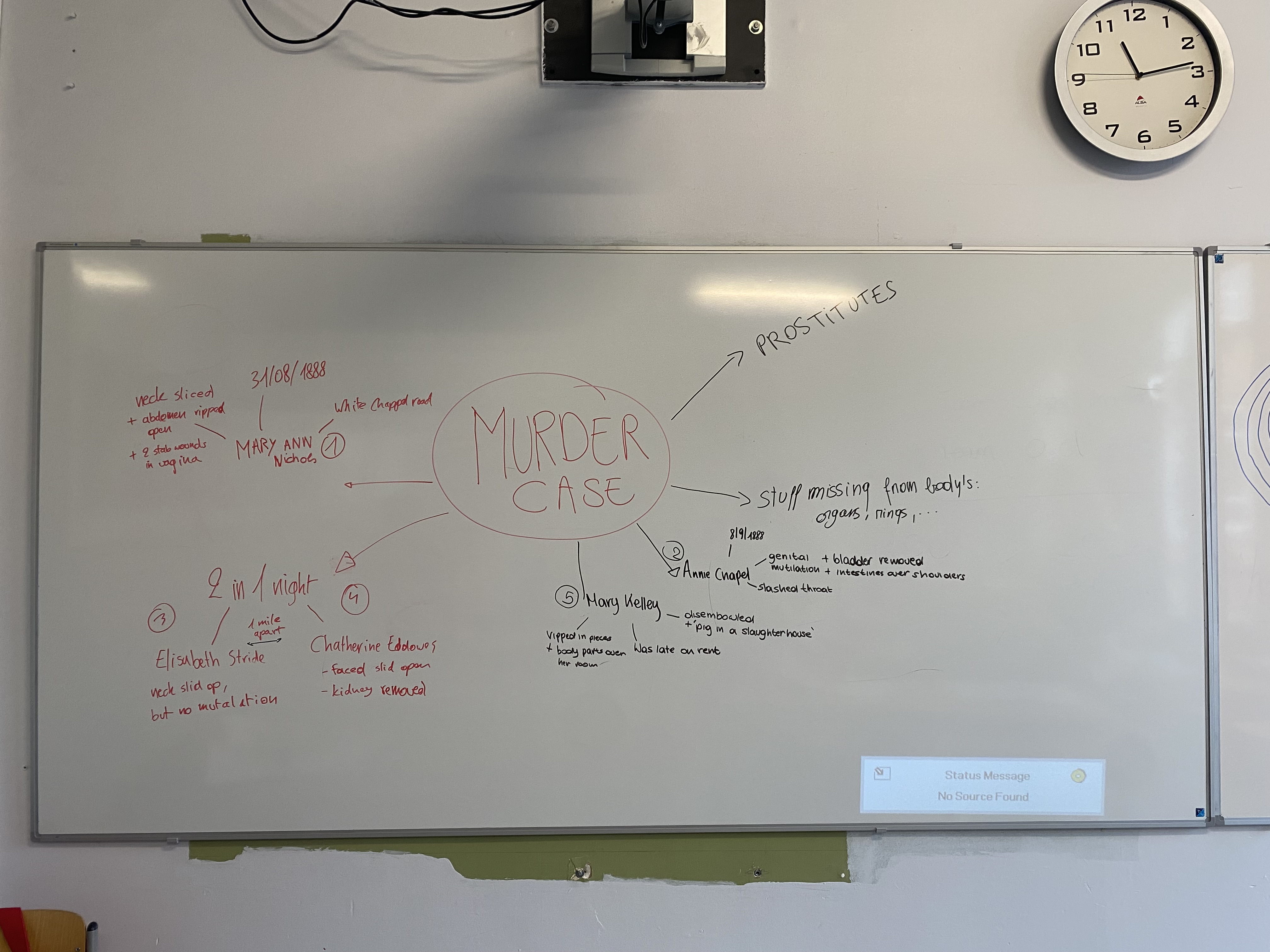
Wrap up with a memorable closure and a digestif activity. Once, while teaching the theme of murder and crime, I planned to show a documentary comparing two real-life cases. In the previous class, students quickly grew bored and disengaged because the video was too long.
For the next group, I changed my approach. I split the class in two. The first half summarized the first part of the documentary while the other half waited outside. Then they switched. Each group watched, took notes, and discussed key points. At the end, I gave each group a whiteboard and asked them to create a mind map summarizing their half. This peer-driven activity kept everyone active and attentive, and the visual summaries became a collaborative way to finish the lesson.
The next time you plan a lesson, think like a chef.
Leave your students satisfied and ready for more.
You can also read the article here:
👉 The Art of Cooking Lectures: A Michelin-Inspired Tasting Menu for Teachers
What inclusion demands of systems, structures and relationships.
Posture, language, and belonging from Görlitz to Brussels
From storks to sessions: why side-by-side fails without design
How to curate, improvise, and land your lessons like a multi-course dining experience
How kindness and clear communication in public service help citizens feel heard and respected
Teaching, Translating, Connecting: A Journey Through European Classrooms and Science Communication
It’s not a problem until it is
Exploring the fraught nature of teaching those who have a choice to not learn.